
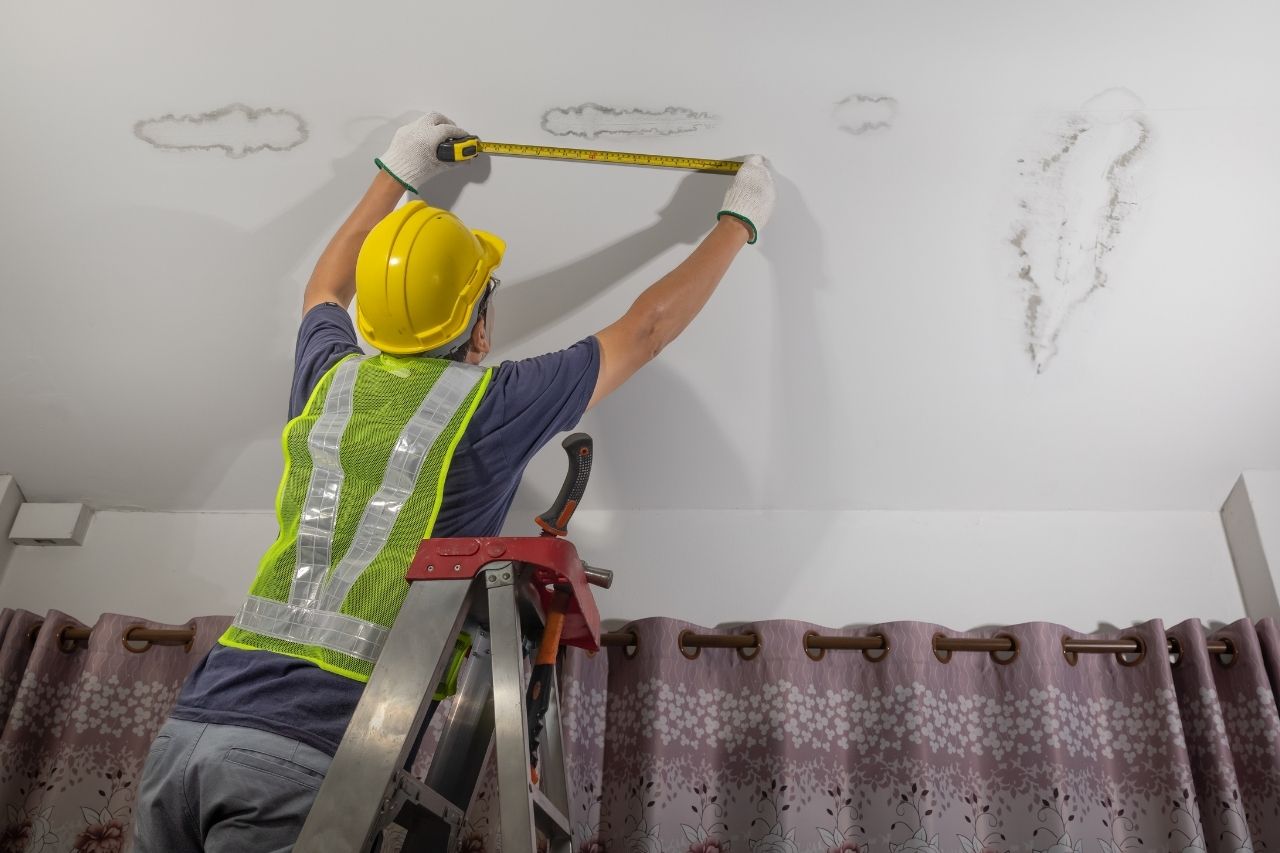
A ceiling leaking is more than just an unsightly stain on your home’s interior—it can be a warning sign of serious structural or plumbing issues. Water damage can weaken ceilings, encourage mold growth, and even lead to costly repairs if not addressed promptly. Recognizing the early signs and knowing how to act can save both money and stress. This guide will walk you through practical steps to identify a ceiling leaking and stop it before it escalates.
Common Causes of Ceiling Leaking
Understanding the source of a ceiling leaking is essential before attempting any repair. There are several typical culprits:
- Roof Damage: Shingles, tiles, or roofing membranes can crack, shift, or deteriorate over time. Rainwater seeping through damaged roofing can quickly appear as stains on your ceiling.
- Plumbing Issues: Leaky pipes or faulty plumbing joints located above your ceiling—especially in bathrooms or kitchens—can create hidden water damage.
- Condensation Problems: Poor ventilation in attics or bathrooms can cause moisture to accumulate, which may eventually drip onto ceilings.
- Clogged Gutters: When gutters overflow or fail to channel water correctly, rainwater can back up and seep through your roof, leading to ceiling leaks.
Early identification of these issues can prevent minor problems from turning into structural damage. Regular inspections of your roof, plumbing, and ventilation system are key to catching issues before they escalate.
Early Signs of Ceiling Leaking
Spotting a ceiling leaking early can make repairs more manageable and less costly. Here are some warning signs to watch for:
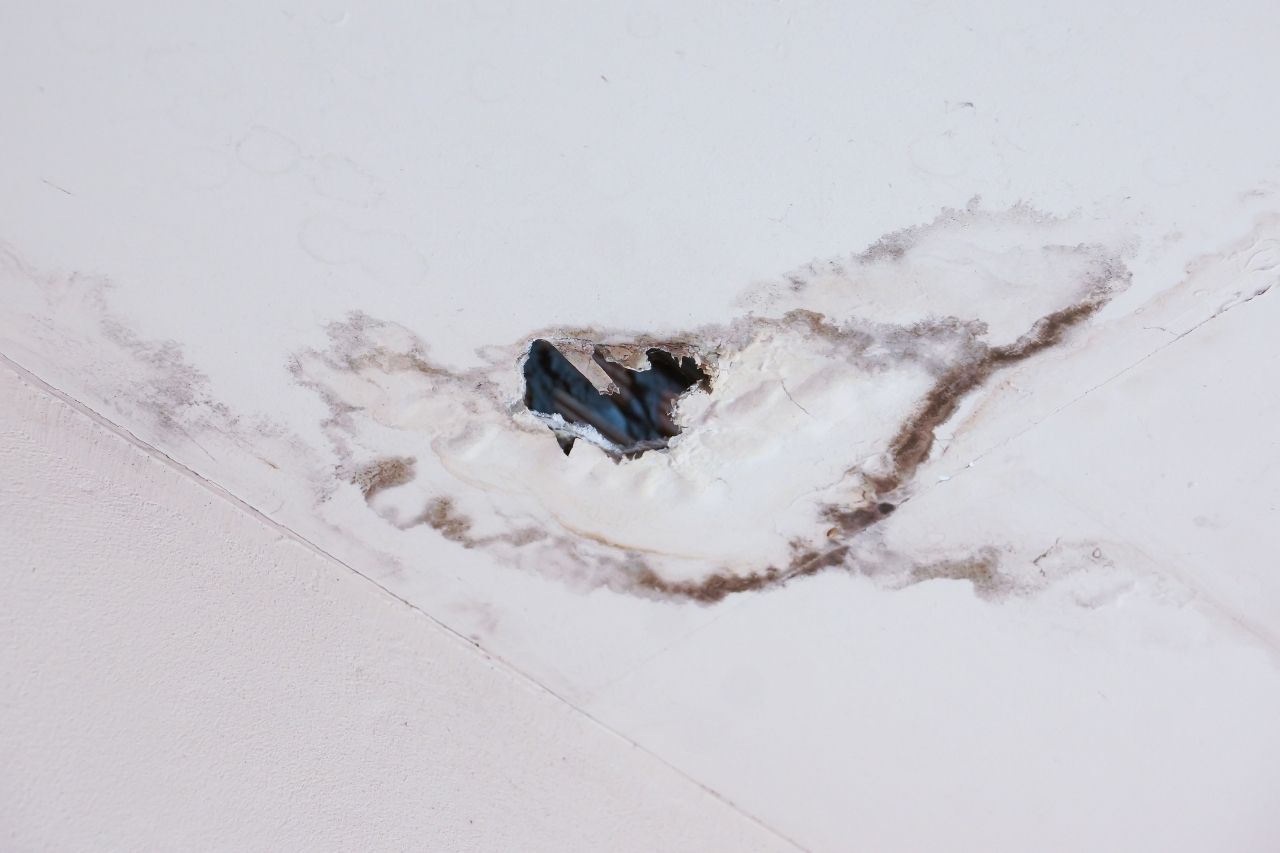
- Water Stains: Yellow or brown patches on the ceiling are often the first visible signs of leakage.
- Peeling Paint or Wallpaper: Damp areas can cause paint or wallpaper to bubble and peel.
- Mold and Mildew: A musty smell or dark spots may indicate prolonged moisture exposure.
- Sagging Sections: Bulges or soft areas on the ceiling suggest trapped water, which could eventually collapse if untreated.
Homeowners should make it a habit to check ceilings regularly, especially after heavy rain or noticeable plumbing issues. Early detection is far less stressful and less expensive than dealing with extensive damage later on.
Step-by-Step Inspection Process
To accurately identify a ceiling leaking, a systematic approach is necessary. Follow these steps:
- Visual Check: Walk through your home and examine ceilings for discoloration, bulges, or soft spots. Even small marks should not be ignored.
- Check the Roof and Gutters: Inspect your roof for damaged shingles or tiles and ensure gutters are clear and properly directing water away from your home.
- Inspect Plumbing: Examine pipes, joints, and fixtures located above the ceiling. Look for drips or damp areas around bathrooms, kitchens, and laundry rooms.
- Moisture Detection Tools: Using a moisture meter can help identify hidden leaks within ceilings or walls that aren’t yet visible.
- Document Findings: Take photos and notes for future reference. This information is useful for repairs, insurance claims, or consultations with professionals.
Following this inspection routine can help homeowners catch a ceiling leaking in its early stages, reducing both inconvenience and repair costs.
Immediate Actions to Stop Ceiling Leaking
Once a leak is detected, taking quick action can prevent further damage. Here’s what to do:
- Contain the Water: Place buckets or towels under the affected area to collect dripping water. Protect furniture and flooring as well.
- Turn Off Water Supply: If the leak is linked to plumbing, shutting off the water supply can prevent additional flooding.
- Temporary Patching: Minor leaks can sometimes be temporarily sealed with waterproof tape or sealant until permanent repairs are made.
- Call a Professional: For major leaks or unclear sources, contact a plumber or roofing expert immediately. Trying to repair large leaks without professional guidance can worsen the problem.
Safety Tip: Avoid standing water near electrical outlets or fixtures during a leak. Water and electricity can be a dangerous combination.

Long-Term Prevention Tips
Preventing future ceiling leaks requires consistent maintenance and proactive measures. Consider the following steps:
- Regular Roof Maintenance: Clean gutters, replace damaged shingles, and ensure flashing around vents and chimneys is intact.
- Proper Ventilation: Adequate airflow in bathrooms and attics reduces condensation, helping to prevent hidden leaks.
- Routine Plumbing Checks: Inspect pipes, joints, and water pressure regularly to catch small issues before they turn into a ceiling leaking problem.
- Waterproofing Measures: Applying sealants or protective coatings to ceilings can add an extra layer of defense against moisture intrusion.
- Seasonal Home Inspections: Make it a habit to inspect your roof, plumbing, and ceilings before and after the rainy season to catch potential leaks early.
By implementing these steps, homeowners can minimize the chances of future ceiling leaks and maintain a safer, more durable home.
When to Call Professionals
While minor leaks may be manageable for DIY fixes, there are times when professional assistance is essential:
- The leak persists despite temporary measures.
- Mold or mildew has started to grow extensively.
- Structural damage, such as sagging or cracked ceilings, is visible.
- The source of the leak is difficult to pinpoint, whether from roofing or hidden plumbing.
Professional plumbers and roofing contractors have the tools and expertise to identify and fix leaks efficiently, ensuring your home remains safe and dry.
Conclusion
A ceiling leaking is more than just a cosmetic issue; it’s a warning that water damage may be occurring in your home. Early detection, careful inspection, and prompt action are essential to prevent costly repairs and maintain the structural integrity of your house. By understanding the common causes, recognizing the early signs, and following a step-by-step inspection process, homeowners can effectively manage ceiling leaks.
Routine maintenance, proper ventilation, and timely professional help are key to stopping leaks before they become serious problems. Remember, catching a ceiling leaking early not only protects your home but also saves time, money, and stress in the long run. Don’t wait until the damage worsens—stay vigilant and proactive to keep your home safe and dry.