Introduction
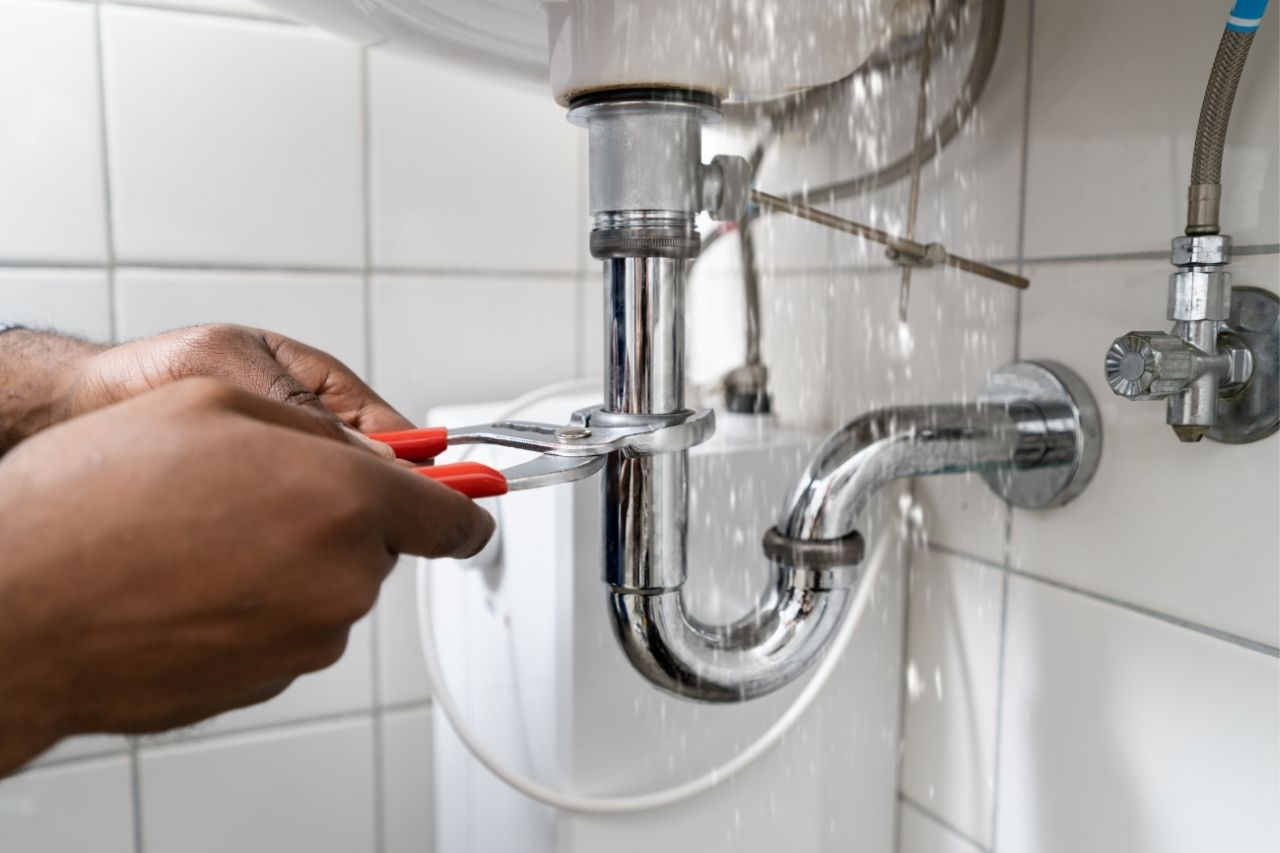
Water leaks can be more than just a minor inconvenience. Left unchecked, even a small leak can escalate into significant structural damage, mold growth, and costly repairs. Many homeowners often face the dilemma of whether to tackle leaks themselves or to call in professional help. With the advancement of technology and the availability of tools for home use, some feel confident trying DIY solutions, while others prefer the expertise and peace of mind that professionals provide.
This guide explores the pros and cons of DIY versus professional leaks detection, helping you make an informed decision that protects your home, your wallet, and your sanity.
Understanding Leaks Detection
Before deciding whether to go DIY or hire a professional, it’s important to understand what leaks detection involves. Simply put, leaks detection is the process of identifying the source of water leaks before they become obvious problems. This can include visible leaks from faucets or pipes, as well as hidden leaks within walls, ceilings, or underground plumbing.
Leaks come in many forms, including:
- Pipe leaks: Often due to corrosion or worn-out joints.
- Roof leaks: Caused by damaged shingles or improper sealing.
- Hidden water damage: Moisture trapped behind walls or under floors.
Proper leaks detection helps homeowners prevent structural damage, reduce water bills, and avoid health hazards such as mold and mildew.
DIY Leaks Detection
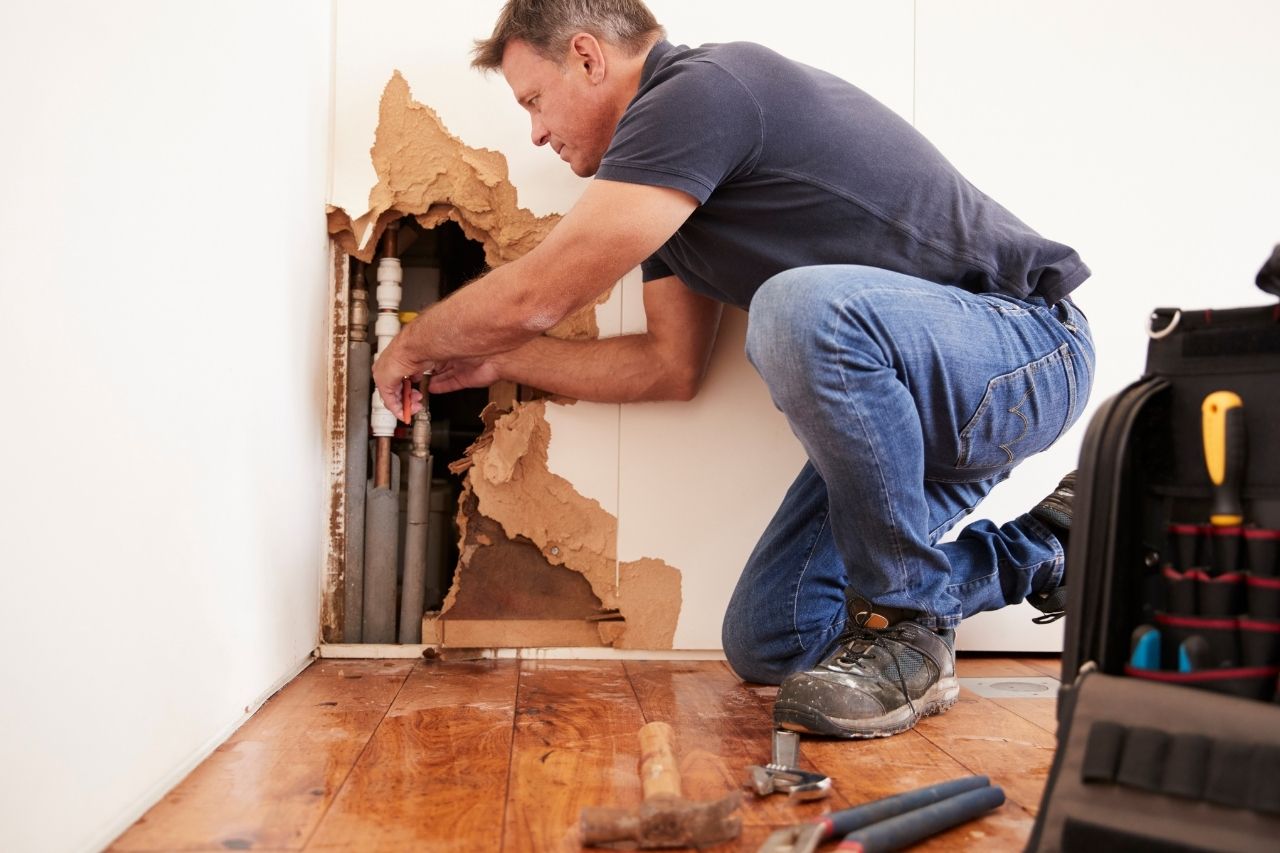
DIY leaks detection involves using simple tools and techniques to identify leaks without hiring a professional. Homeowners often attempt this to save costs or to quickly address minor issues.
Common DIY Methods Include:
- Visual Inspection: Check pipes, faucets, and ceilings for water stains, corrosion, or dripping water.
- Listening Techniques: Pay attention for unusual sounds, such as dripping or hammering noises in pipes.
- Water Meter Check: Monitor your water meter over a period of time to identify unexpected increases in usage.
- Basic Leak Detection Tools: Moisture meters or dye tests can help locate small leaks in sinks, toilets, or appliances.
Pros of DIY Leaks Detection:
- Cost-effective: You don’t have to pay for professional service fees.
- Immediate action: You can start inspecting as soon as a problem arises.
- Learning opportunity: It helps you understand your home’s plumbing system better.
Cons of DIY Leaks Detection:
- Limited accuracy: Hidden leaks inside walls or underground may be missed.
- Risk of worsening damage: Incorrect handling or patching can create bigger problems.
- Time-consuming: Identifying the source of the leak can take hours or even days.
While DIY leaks detection can work for minor and obvious leaks, it requires patience, attention to detail, and some basic knowledge of plumbing systems. In some cases, even a small oversight can lead to costly repairs.
Professional Leaks Detection
Hiring a professional for leaks detection can save time and provide accurate results, especially for leaks that are hard to locate or potentially damaging.
Techniques Used by Professionals:
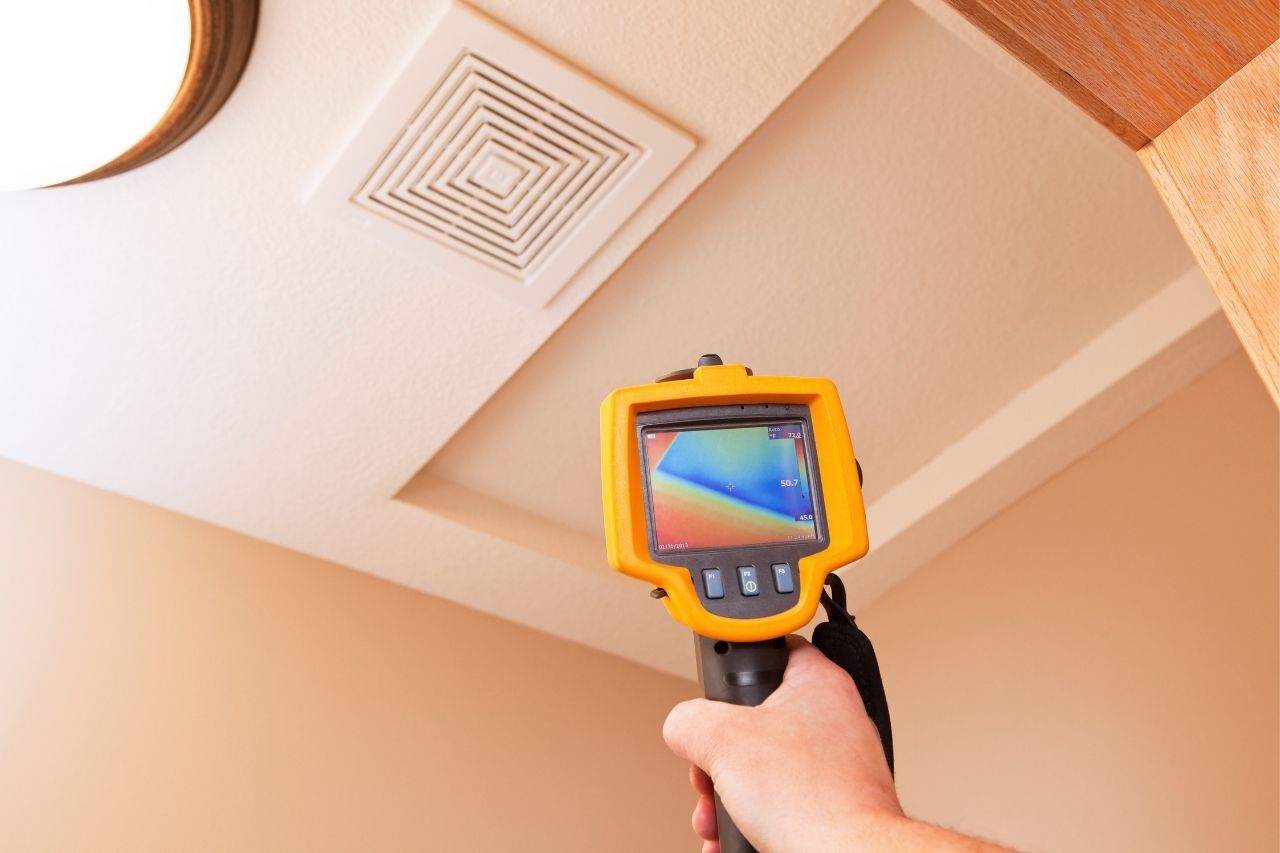
- Thermal Imaging Cameras: Detect hidden leaks behind walls and under floors by identifying temperature differences.
- Acoustic Listening Devices: Pinpoint leaks by detecting the sound of water escaping from pipes.
- Pressure Testing: Identify weak points in pipes by measuring changes in water pressure.
- Moisture Meters: Measure humidity levels in building materials to detect water accumulation.
Pros of Professional Leaks Detection:
- High accuracy: Professionals can locate hidden leaks that are invisible to the naked eye.
- Early prevention: Detecting leaks early helps prevent structural damage and mold growth.
- Peace of mind: Many services come with warranties and expert advice on repair and prevention.
Cons of Professional Leaks Detection:
- Higher cost: Professional services involve fees that can vary depending on the complexity of the task.
- Scheduling: You may need to arrange appointments, which could delay immediate action.
- Limited DIY learning: Homeowners may not gain as much hands-on experience with their plumbing system.
For homeowners with hidden or recurring leaks, professional leaks detection is often the safer and more reliable choice. The investment can save significant money and stress in the long run by preventing extensive damage.
Key Factors to Consider
When deciding between DIY and professional leaks detection, several factors should be taken into account:
- Severity of the Leak: A small drip may be suitable for DIY methods, while continuous or widespread leaks require professional intervention.
- Location of the Leak: Leaks inside walls, under floors, or in hard-to-access areas are better handled by professionals.
- Risk of Structural Damage: If a leak has the potential to damage foundations, ceilings, or walls, professional expertise is strongly recommended.
- Cost vs Potential Repair Expenses: Consider the cost of professional service against the potential repair costs if a DIY approach fails.
By carefully weighing these factors, homeowners can make a choice that balances budget, safety, and efficiency.
Practical Tips for Homeowners
Even if you opt for DIY leaks detection, taking some precautions can improve your results and prevent further damage:
- Start Small: Begin with accessible areas like sinks, faucets, and visible pipes.
- Use the Right Tools: Simple tools like moisture meters or leak detection dye can help identify problems more accurately.
- Know When to Call Professionals: If the leak persists, worsens, or is hidden behind walls, it’s time to hire professional leaks detection services.
- Document Your Findings: Keeping a record of leaks, repairs, and inspections helps with maintenance and future prevention.
- Regular Maintenance: Schedule periodic checks to identify leaks early, even before they become visible.
These steps allow homeowners to manage minor issues themselves while knowing when professional intervention is necessary. Early detection is key to minimizing water damage and repair costs.
Conclusion
Choosing between DIY and professional leaks detection depends largely on the type, severity, and location of the leak. DIY methods can be effective for minor, visible issues and are cost-efficient for quick fixes. On the other hand, professional services offer accuracy, advanced technology, and peace of mind, especially for hidden or complex leaks.
Ultimately, combining both approaches can be a smart strategy. Homeowners can use DIY methods for small, easily accessible leaks while relying on professional expertise for more serious or concealed problems. By prioritizing timely detection and repair, you protect your home, reduce unnecessary expenses, and ensure your living space remains safe and dry.
Remember, when it comes to water leaks, early detection makes all the difference. Whether through DIY methods or professional leaks detection, taking action promptly can save thousands in future repairs and safeguard the structural integrity of your property.