
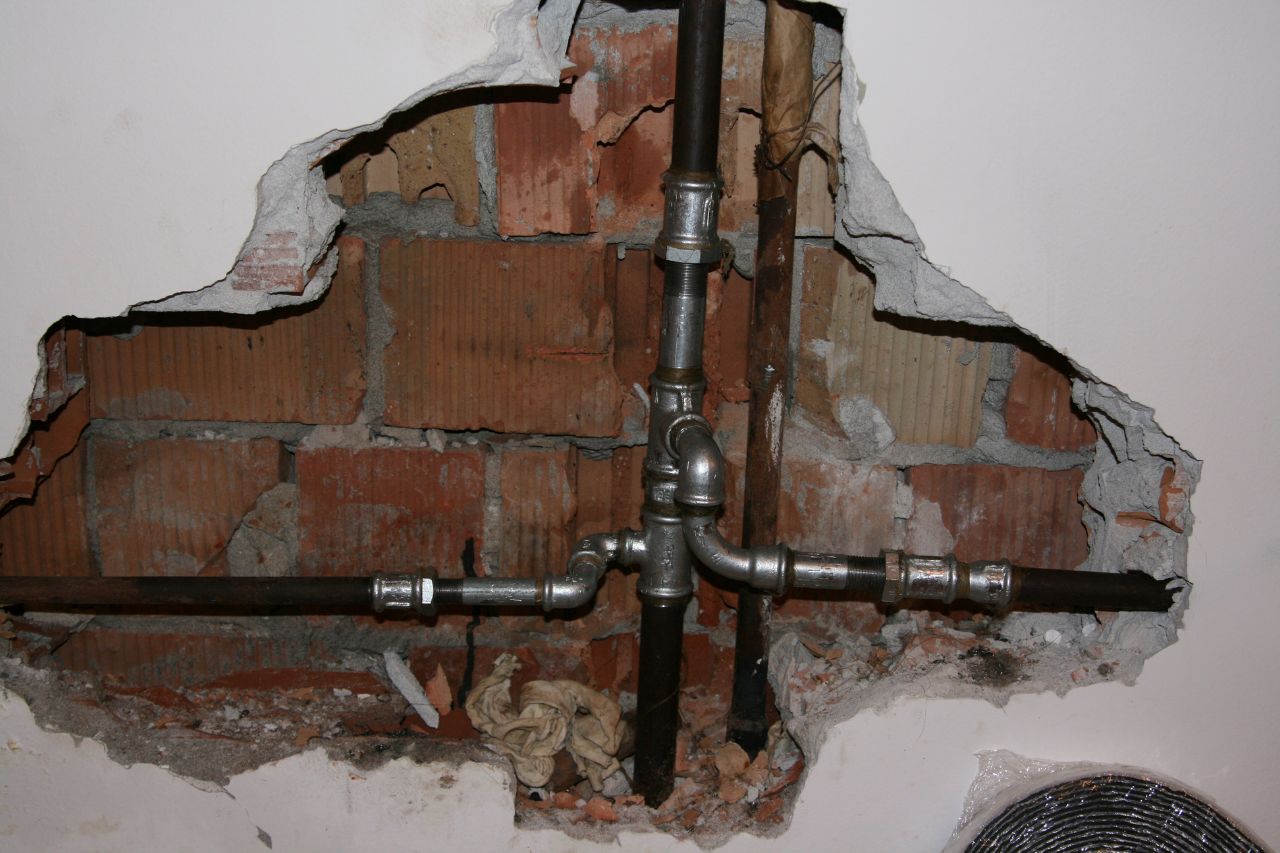
Concealed pipe leaking is a silent problem that many homeowners face but often fail to recognize until it causes significant damage. Pipes hidden behind walls, floors, or ceilings may seem out of sight and out of mind, but even a small leak can lead to structural damage, mold growth, and higher water bills if left unchecked. Understanding the common mistakes homeowners make when dealing with concealed pipe leaking can save you from unnecessary stress and expensive repairs. Here, we explore the top seven mistakes and how to avoid them.
1. Ignoring Early Warning Signs
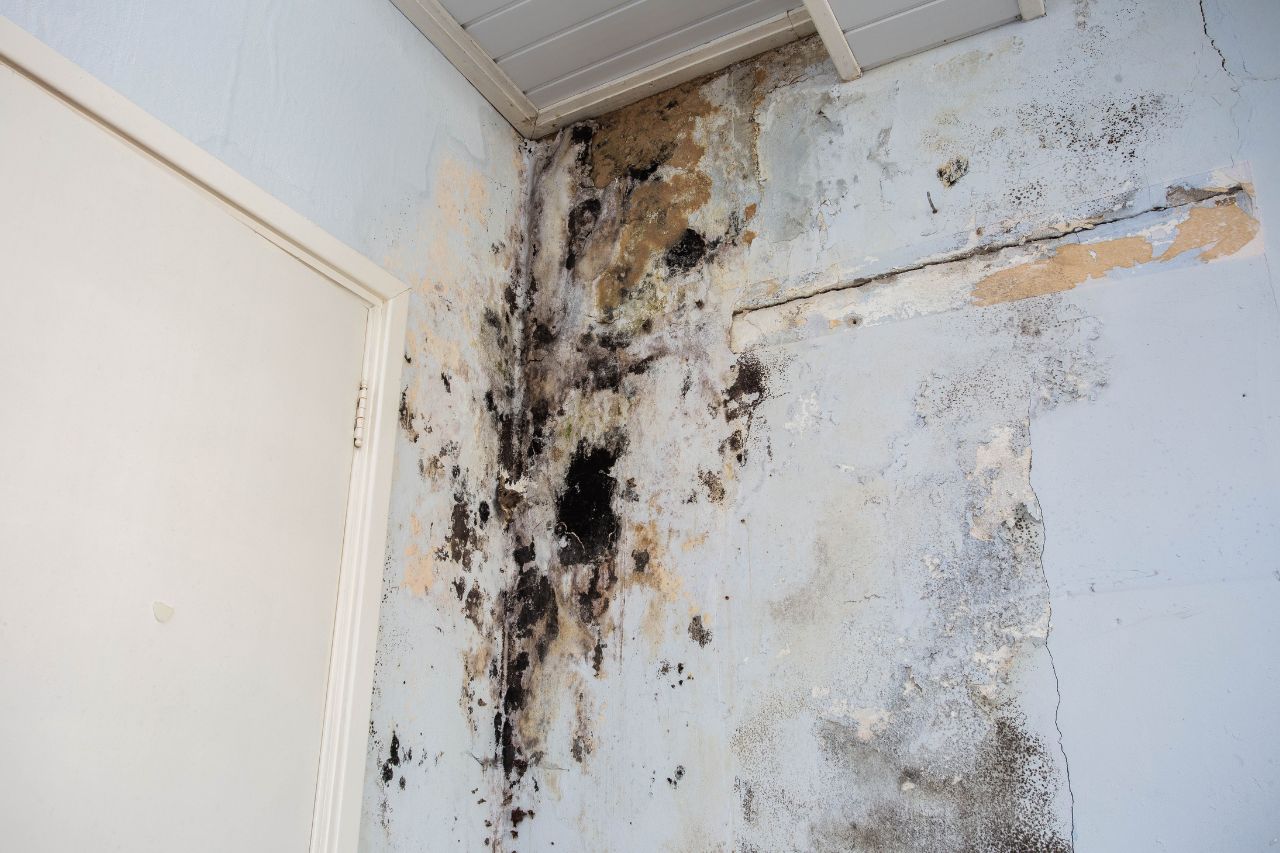
One of the most common mistakes is simply ignoring early signs of concealed pipe leaking. Homeowners often assume a small damp spot on the wall or ceiling is nothing to worry about. In reality, these minor issues can be the first indicators of a hidden leak.
Signs to watch for include:
- Damp or discolored patches on walls or ceilings
- Musty or unusual odors indoors
- Peeling or bubbling paint and wallpaper
- Unexplained increase in water bills
Failing to address these warning signs promptly can allow the problem to escalate. A small leak hidden behind a wall can gradually weaken structural components, making repairs far more complicated and costly down the line.
2. Delaying Action
Another common mistake is delaying repairs. Many homeowners hope that the leak will resolve itself or that the problem isn’t serious. Unfortunately, concealed pipe leaking tends to worsen over time. Even a minor leak can cause extensive damage if left untreated.
Potential consequences of delaying action include:
- Mold and mildew growth that affects indoor air quality
- Warping or rotting of wooden structures
- Damage to flooring and ceiling materials
- Increased repair costs due to prolonged exposure to water
Taking prompt action at the first signs of trouble is essential. The longer you wait, the more extensive the damage and the more complex the repairs become.
3. Attempting DIY Fixes Without Proper Knowledge
Many homeowners attempt to fix concealed pipe leaking themselves. While DIY can be tempting for minor plumbing issues, concealed leaks often require specialized knowledge to locate and repair safely. Guessing the location of a hidden leak can lead to unnecessary destruction of walls, tiles, or flooring.
Risks of DIY attempts include:
- Worsening the leak due to incorrect handling
- Causing additional damage to walls and surfaces
- Overlooking the true source of the leak
While small surface-level leaks can sometimes be managed at home, concealed pipe leaking is best addressed by professionals who have the experience and tools to fix it correctly.
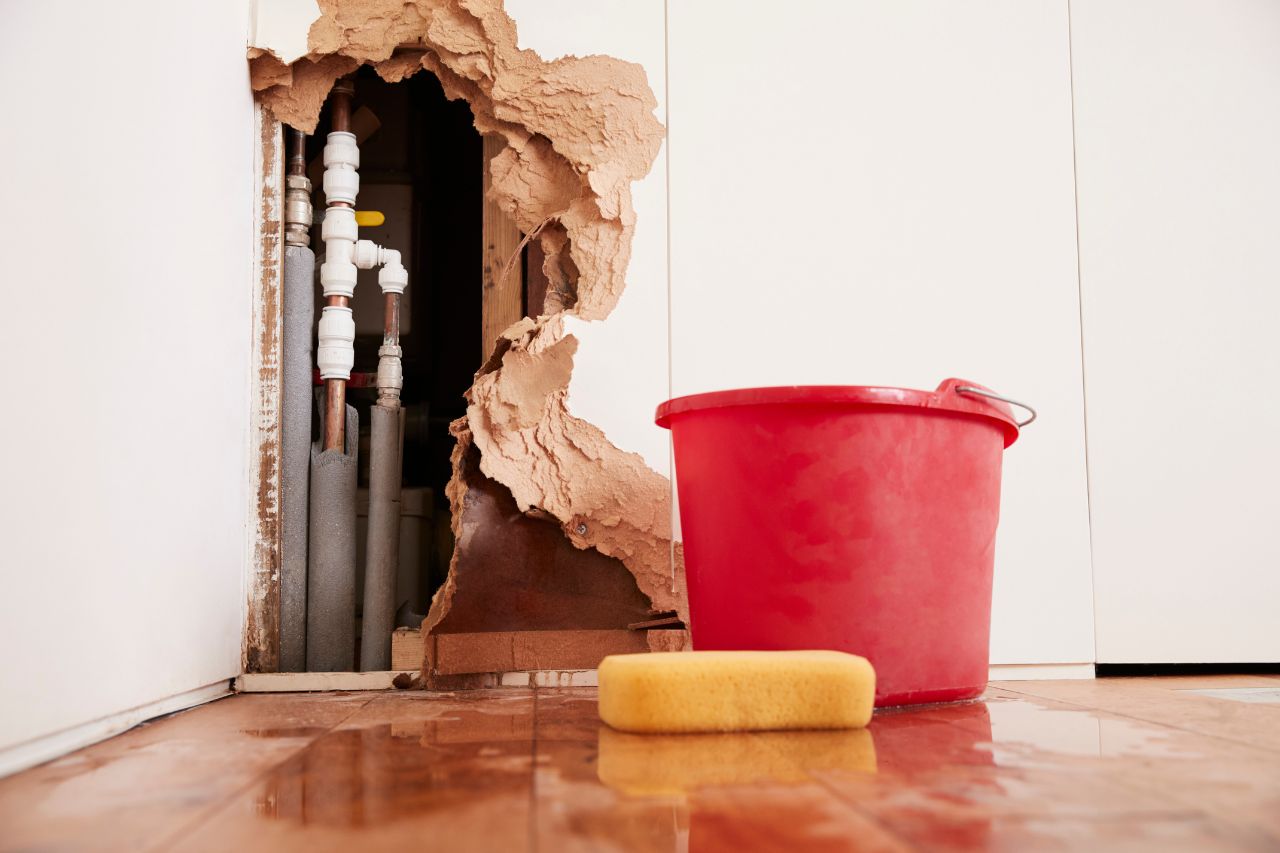
4. Not Using Professional Leak Detection Tools
Concealed leaks are difficult to detect without the right tools. One major mistake homeowners make is relying solely on visual inspection or guesswork. Modern plumbing professionals use advanced leak detection technology to locate hidden problems accurately without unnecessary destruction.
Professional tools include:
- Thermal imaging cameras to identify temperature differences caused by leaks
- Acoustic leak detection that picks up sound waves from water movement
- Moisture meters to detect dampness behind walls or under floors
Utilizing these tools ensures that the leak is located quickly and efficiently. Attempting to find concealed pipe leaking without them can lead to costly trial-and-error repairs.
5. Hiring Unqualified or Inexperienced Plumbers
Choosing the wrong plumber is another pitfall. Some homeowners hire the cheapest service or rely on inexperienced individuals, thinking that any plumbing professional can handle concealed pipe leaking. However, not all plumbers have the expertise or tools necessary for hidden leak detection and repair.
Tips for hiring the right professional:
- Check for relevant certifications and licenses
- Look for experience specifically in leak detection
- Read customer reviews and request references
Hiring a qualified plumber ensures that your leak is properly identified and repaired, reducing the likelihood of recurring issues.
6. Overlooking Long-Term Damage
Even after a concealed leak is repaired, some homeowners fail to consider the long-term damage that may have occurred. Water can seep into structural components, insulation, or electrical systems, causing problems that only appear months later.
Long-term effects to monitor:
- Compromised structural integrity of walls, floors, or ceilings
- Damage to electrical wiring and outlets
- Persistent mold or mildew issues
A thorough inspection after repair is crucial. Ensuring that all potential damage is addressed prevents future headaches and additional repair costs.
7. Failing to Take Preventive Measures
Finally, many homeowners fix the leak but fail to implement preventive measures to avoid future issues. Regular maintenance and proactive monitoring are key to preventing concealed pipe leaking from recurring.
Preventive measures include:
- Routine inspections of plumbing systems, especially older homes
- Monitoring water pressure and usage to detect anomalies
- Replacing aging or corroded pipes before they fail
- Installing early detection devices that alert you to leaks
Prevention is always more cost-effective than dealing with a major concealed leak after it has caused damage. Being proactive helps maintain the integrity of your home and provides peace of mind.
Conclusion
Concealed pipe leaking is a silent threat that can escalate quickly if ignored or mishandled. Homeowners often make mistakes such as ignoring warning signs, delaying action, attempting DIY repairs, avoiding professional tools, hiring inexperienced plumbers, overlooking long-term damage, and neglecting preventive measures. Avoiding these errors ensures that your home remains safe, dry, and structurally sound.
When it comes to concealed pipe leaking, timely detection and professional repair are essential. By recognizing the signs early, acting promptly, and investing in proper maintenance, you can prevent unnecessary stress, costly repairs, and potential hazards. Protect your home by staying vigilant and proactive—hidden leaks are much easier to manage when caught early.